
Landscaping Services in Washington, DC
Local Lawn Care Service Expertise
Lawns thrive with the right care, and in Washington, DC, that starts with understanding local conditions. Our lawn care service in Washington, DC handles everything from spring cleanup to fall fertilization. Dense shade from mature trees near Ward 3, younger mixed plantings east of the Anacostia River, and cool-season grass that peaks in spring and fall all shape how your yard should be maintained. We work within these realities to keep your lawn green, healthy, and ready for the season ahead.
How We Work
A clear process keeps your lawn on track, season to season.
What's Involved
Spring Assessment
We evaluate winter damage, check for snow mold, and identify bare patches before new growth kicks in during March and April.
Mowing & Mulch
Regular mowing at the right height for cool-season grass, mulch installation to suppress weeds, and seasonal adjustments keep turf dense.
Fertilization & Feeding
Light spring feeding in April and May, then fall applications when grass enters its second peak growth period.
Weed & Grub Control
Pre-emergent applied when soil temps reach 50–55°F. Summer grub monitoring prevents root damage common in DC yards.
Fall Cleanup & Prep
Leaf removal (critical near tree-heavy neighborhoods), aeration, overseeding, and winterization before dormancy sets in.
Ongoing Monitoring
Year-round checks for disease, pests, and stress. Regular communication keeps you informed and in control.
You'll always know what's happening next—and when.
Our Services
Core services designed for DC lawns in all seasons.
Mowing
We mow at heights tailored to cool-season grass—typically 3 to 4 inches—to shade out weeds and strengthen root systems. Regular mowing (weekly in spring, every two weeks in summer) keeps turf dense. Our crew follows the one-third rule, never cutting more than 33% of blade height at once.
- Height management for dense turf
- Curbside mulching (return clippings)
- Spring & fall schedule adjustments
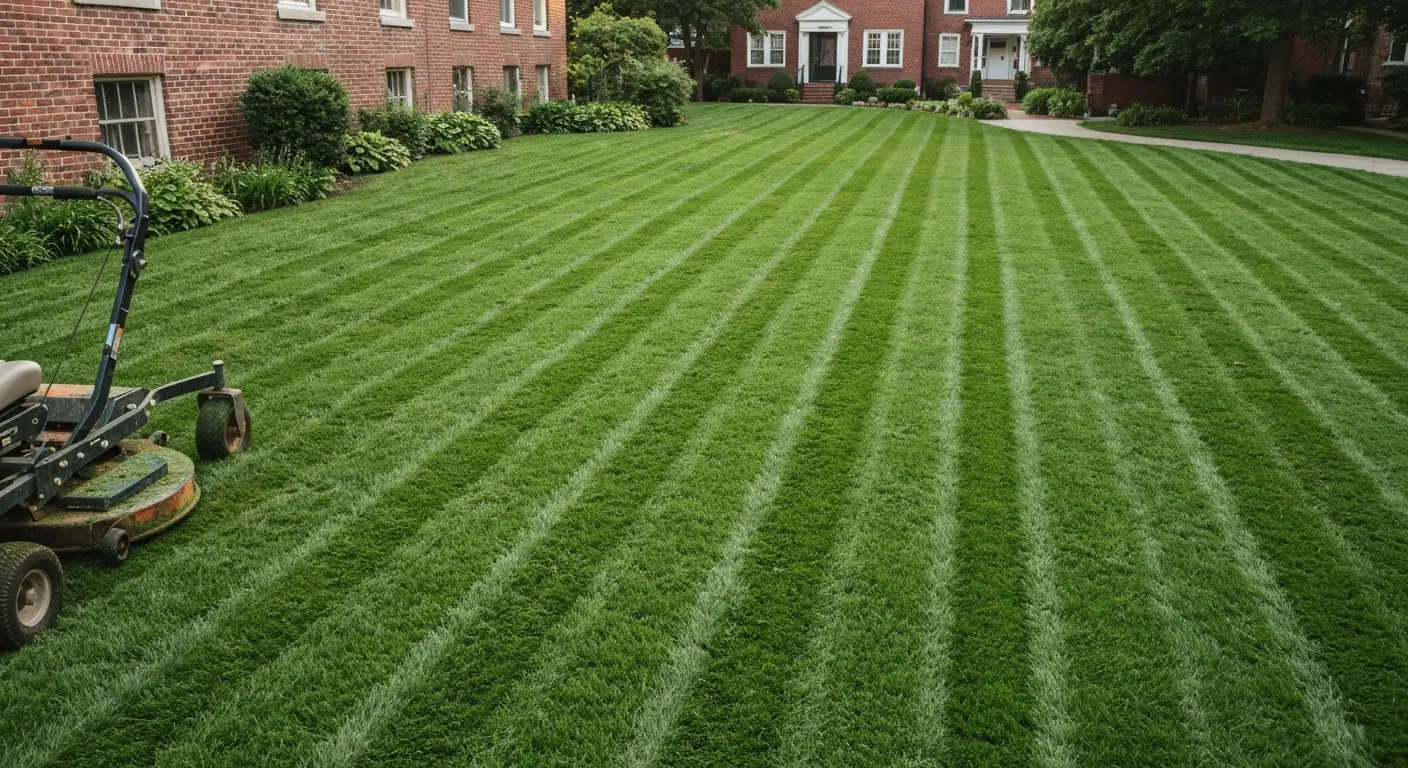
Regular mowing at optimal height near Columbia Heights
Mulch Installation
Mulch reduces weeds, conserves soil moisture, and moderates ground temperature—especially valuable under the thick tree canopy common near Capitol Hill and Rock Creek Park. We install fresh mulch in spring and top-dress as needed through fall.
- Premium mulch delivery & installation
- Weed-suppression underlay
- Tree bed refresh & shaping
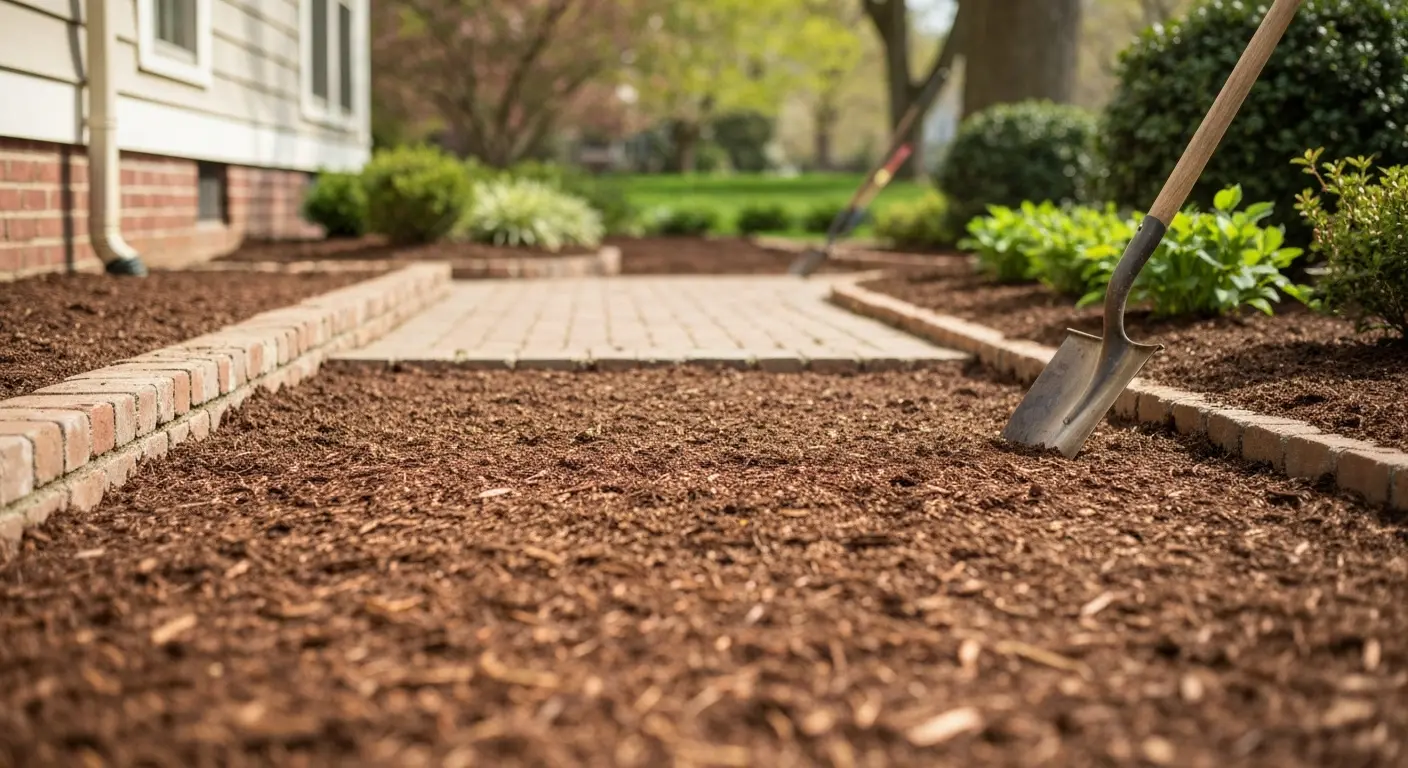
Mulch refresh in Kalorama area
Spring & Fall Cleanup
Spring means raking winter debris and assessing damage; fall means aggressive leaf removal before mulch and dormancy. Both seasons set the tone for the months ahead. In neighborhoods like Capitol Hill where trees dominate overhead, this work is critical.
Fertilization & Aeration
Light spring feeding (mid-April) supports early growth. Core aeration breaks up compacted soil in fall, improving root penetration. Overseeding after aeration fills thin patches before winter dormancy.
Why Local Expertise Matters
Washington, DC's lawn challenges are distinct—and require focused knowledge.
Cool-Season Grass Is Peak in Spring & Fall
Kentucky bluegrass and tall fescue dominate DC lawns. They thrive when soil temps sit between 60–75°F. That means spring (March–May) and fall (September–November) are when to invest in mowing, overseeding, and feeding. Summer is defensive—raise mower height, reduce stress, skip heavy fertilizer.
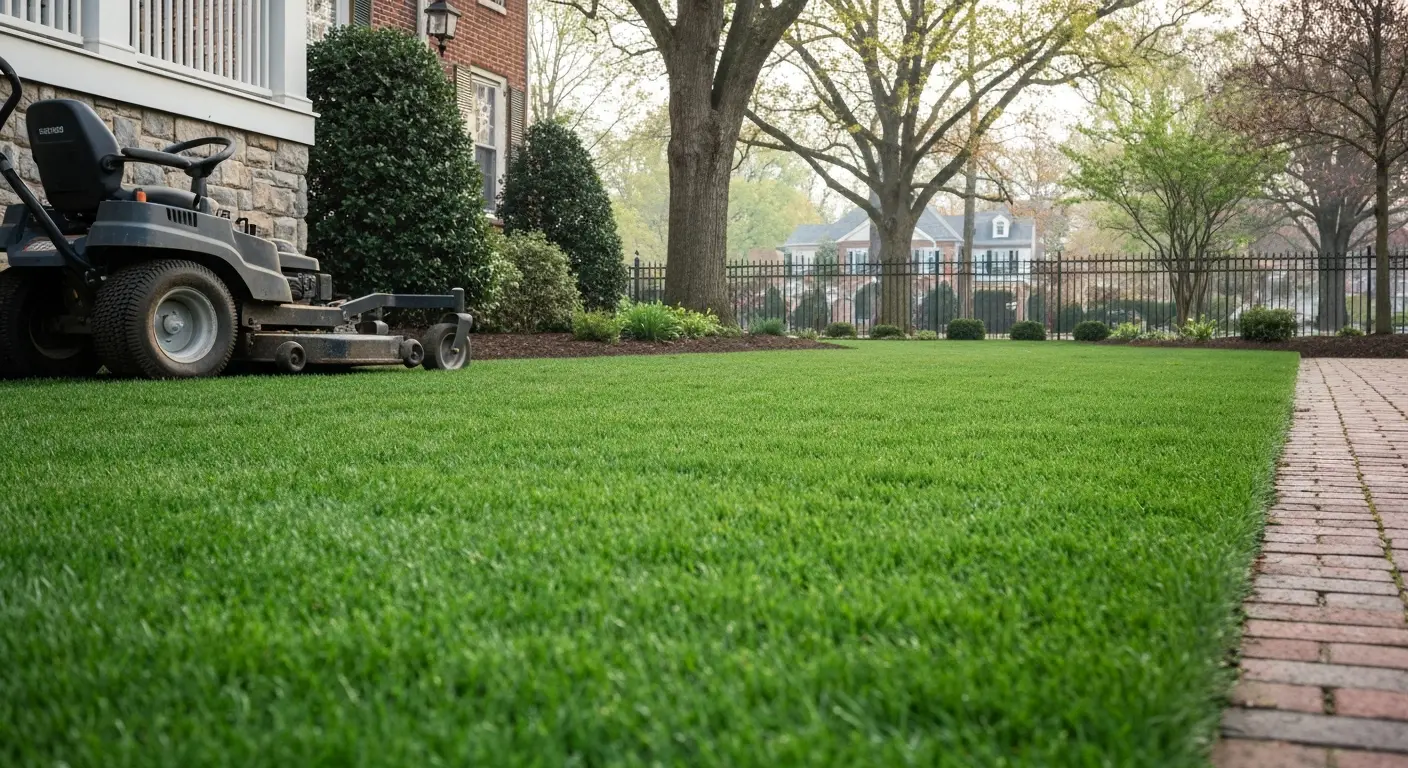
Peak growth conditions in spring near Georgetown lawns
Dense Tree Canopy Casts Real Shade
Ward 3 and older neighborhoods host mature tree canopy. This blocks sunlight, reduces air circulation, traps moisture, and invites fungal disease. We adjust mowing height, thin out leaf debris, and select shade-tolerant seed varieties to keep grass alive where trees dominate.
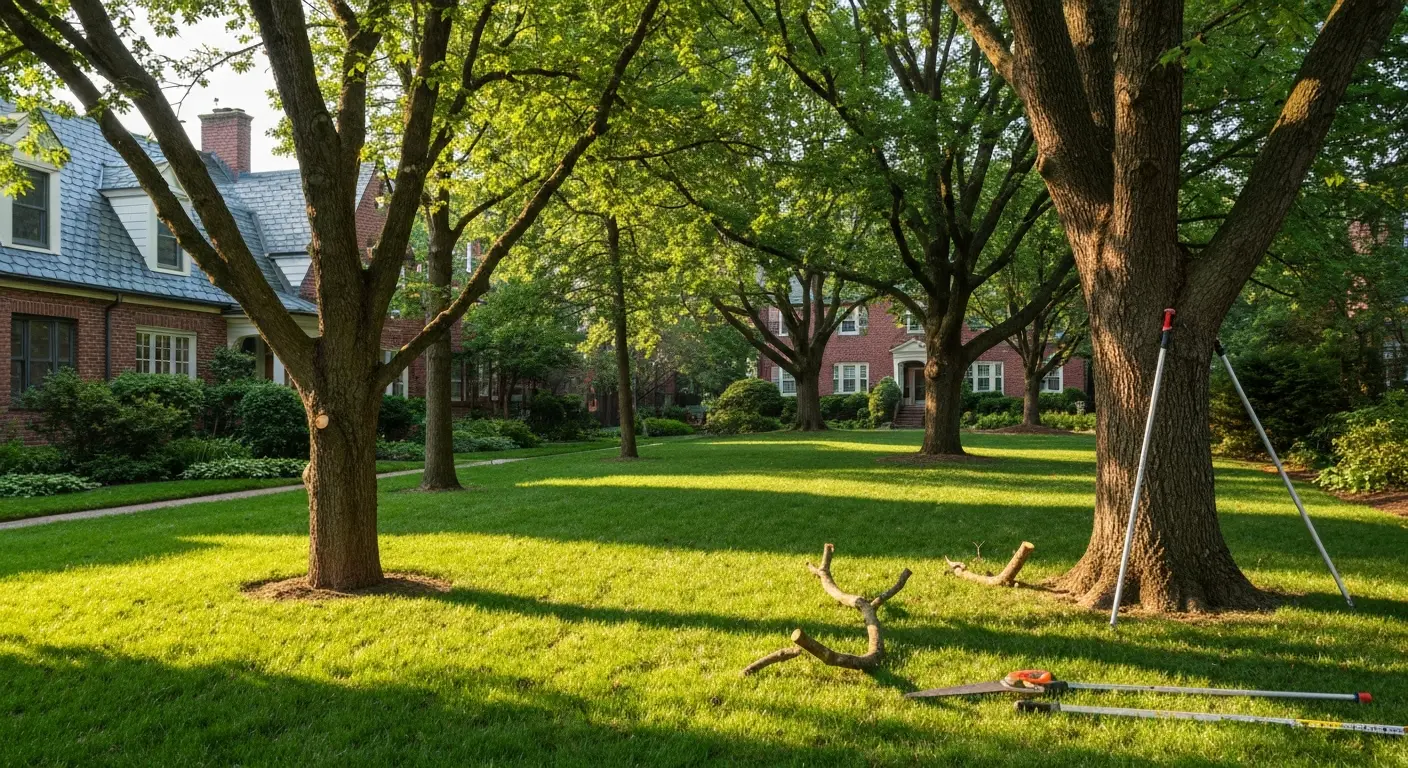
Shade management near Rock Creek Park neighborhoods
Spring & Fall Leaves Are a Constant
Fall leaf drop smothers grass, blocks sunlight, and promotes fungal issues. We remove them promptly—critical work in tree-dense areas. Spring brings debris from winter storms and thaw; we assess damage and prepare turf before the growing season kicks in.
Proactive care in spring and fall prevents summer stress, disease, and weed invasion—saving time and money later.
Coverage & Service Area
We serve residential lawns across Washington, DC.
Local Areas We Serve
Our team works in neighborhoods from Capitol Hill and the H Street corridor to Georgetown, Kalorama, Rock Creek Park vicinity, and areas east of the Anacostia River. Whether your lawn is framed by mature canopy or younger mixed plantings, we have the seasonal expertise to keep it healthy.
- Capitol Hill & Navy Yard
- Georgetown & Kalorama
- Ward 3 (mature tree areas)
- Near Rock Creek Park
- H Street corridor & Shaw
- East of Anacostia River neighborhoods
We're familiar with DC's unique soil conditions, combined sewer limits, and strict tree protections. Local knowledge means better results.
Getting in Touch
Call or message us to discuss your lawn's specific needs. We're available for spring and fall packages, one-time cleanups, or year-round maintenance plans. Fast response times ensure your lawn doesn't miss a season.
Frequently Asked Questions
When do I start lawn maintenance in Washington, DC?
Spring kick-off happens in March—clearing winter debris, assessing damage, and applying pre-emergent herbicide around mid-March when soil temps reach 50–55°F. First fertilizer goes down in mid-April. Fall season starts in September with reduced fertilizer, then heavy aeration and overseeding in late September through October.
How often should my lawn be mowed in spring?
Spring is the busiest season. Cool-season grass grows fast when temps hit 60–75°F, so plan on weekly mowing in March, April, and May. We keep height at 3–4 inches and never remove more than one-third of blade height per cut.
Is fall cleanup really necessary in neighborhoods with lots of trees?
Absolutely. Leaves block sunlight and trap moisture, creating ideal conditions for fungal disease and mold. In tree-dense areas (like Ward 3 or near Rock Creek), leaf removal is essential to protect turf health and set up a strong aeration and overseeding program.
How do you handle shade under mature trees?
We raise mower height in shaded zones, keep leaf debris cleared promptly, and use shade-tolerant seed varieties during overseeding. We also monitor for fungal issues more closely in dense canopy areas.
Why is summer less active for DC lawn care?
Cool-season grass slows down when temps exceed 75°F and struggles in heat above 85°F. Summer strategy is defensive: raise mower height, reduce fertilizer, monitor for grubs and disease, and water deeply but less frequently. Peak growth resumes in fall.
What about mulch installation—when's the best time?
Spring (late March through May) and fall (September through November) are ideal. Fresh mulch in spring suppresses weeds before summer heat. Fall top-dress prepares beds for winter. In DC's moisture-heavy climate, proper mulch depth (2–3 inches) prevents fungal issues.
DISCOVER WHAT OUR CUSTOMERS HAVE TO SAY ABOUT US
REVIEWS
proudly serving these areas
Bowie, MD
Fort Washington, MD
Indian Head, MD
La Plata, MD
Upper Marlboro, MD
Waldorf, MD
Washington, DC
READY TO take the next step?
get a free quote TODAY!
COMPANY
(202) 643-2470
QUICK LINKS
our services
service areas
operating HOURS
Mon: 7:00 am - 6:00 pm
Tue: 7:00 am - 6:00 pm
Wed: 7:00 am - 6:00 pm
Thu: 7:00 am - 6:00 pm
Fri: 7:00 am - 6:00 pm
Sat: Closed - Closed
Sun: Closed - Closed